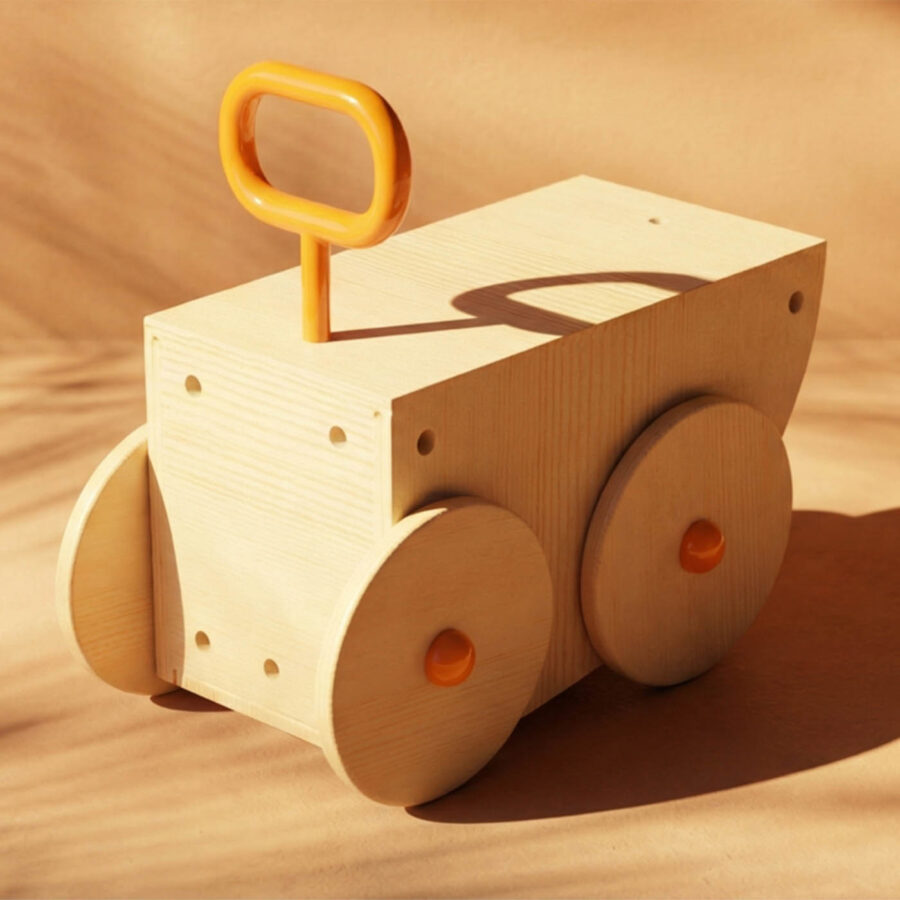
What if one object could be a play furniture today and piece of furniture tomorrow, for many years to come? With KORA, designer Estela Segura Castellano has created a universal design toy made of pine wood that grows with children, invites open-ended play and challenges the throwaway logic of conventional toys. In our interview, she talks about children’s imagination, circular design and why good play objects deserve a second life.
The toy industry generates tons of plastic waste every year. With Kora, you are changing that reality. How did you come up with the idea?
This idea arose from observing the market and our current situation, where there is a massive number of toys that, paradoxically, cause children to quickly lose interest and constantly crave something new. These products have such specific functions that they end up limiting a child’s capacity to imagine and create.
On top of that, there is a critical environmental problem. More than 80% of toys globally are made of plastic, and the vast majority are discarded in less than two years – precisely because of this premature boredom and because they fail to adapt to the user’s growth.
I wanted to create an alternative that would accompany users throughout their entire development. I wanted to foster open-ended play and creativity, just like when I was little and would create the best adventures out of a simple cardboard box. My goal was clear: to replace the “buy and throw away” cycle with a sustainable, long-lasting model.
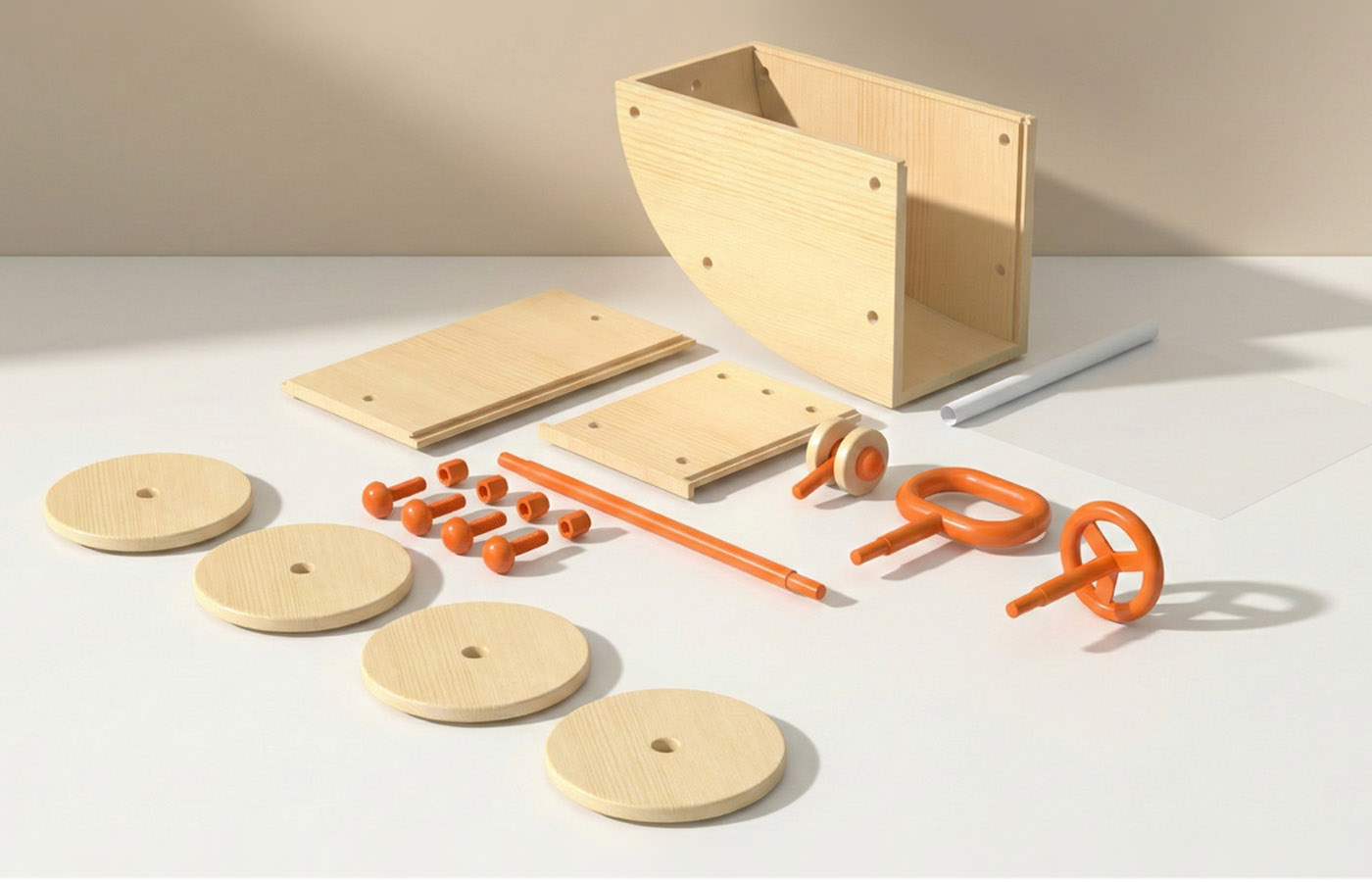
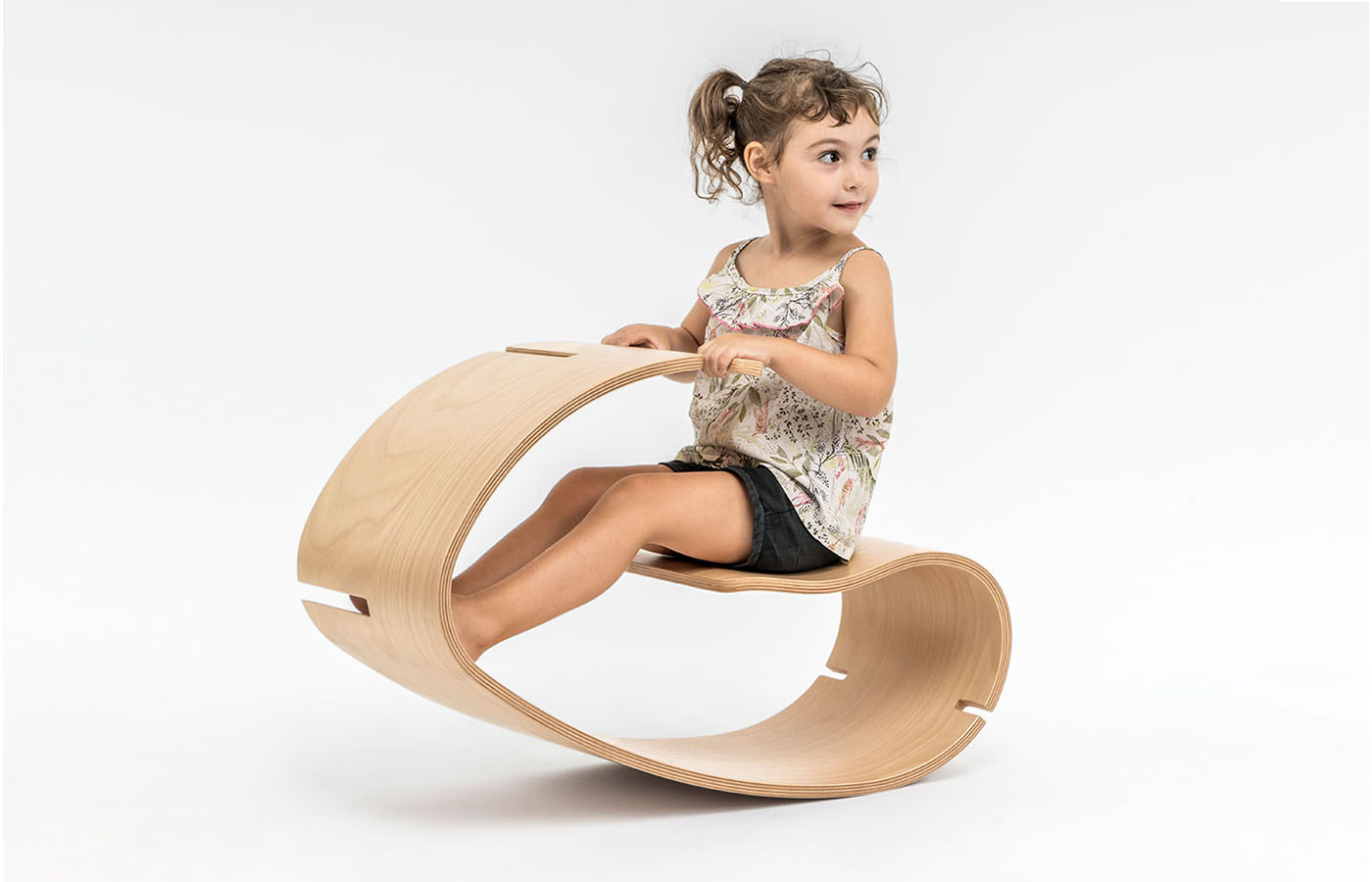
That is how KORA was born – an universal design toy made 100% of pine wood, a renewable material. Thanks to its accessory system, it is easily repairable and evolutionary.
From toy to a furniture, Kora accompanies people from childhood to old age. What do you need right now to launch your universal design toy into the market?
Launching KORA independently would be a dream; the project has reached a level of technical and design maturity that makes it ready for the next step. Right now, what KORA needs to reach people is a strategic partner or a furniture/toy manufacturer that shares this sustainable vision and wants to acquire the idea or collaborate in its production and distribution.
I am completely open to connecting with brands in the sector that want to bet on innovation and eco-design to bring KORA to life on a large scale. The project is ready to leap from the drawing board into reality.
Have you already had the opportunity to test Kora with children and their parents?
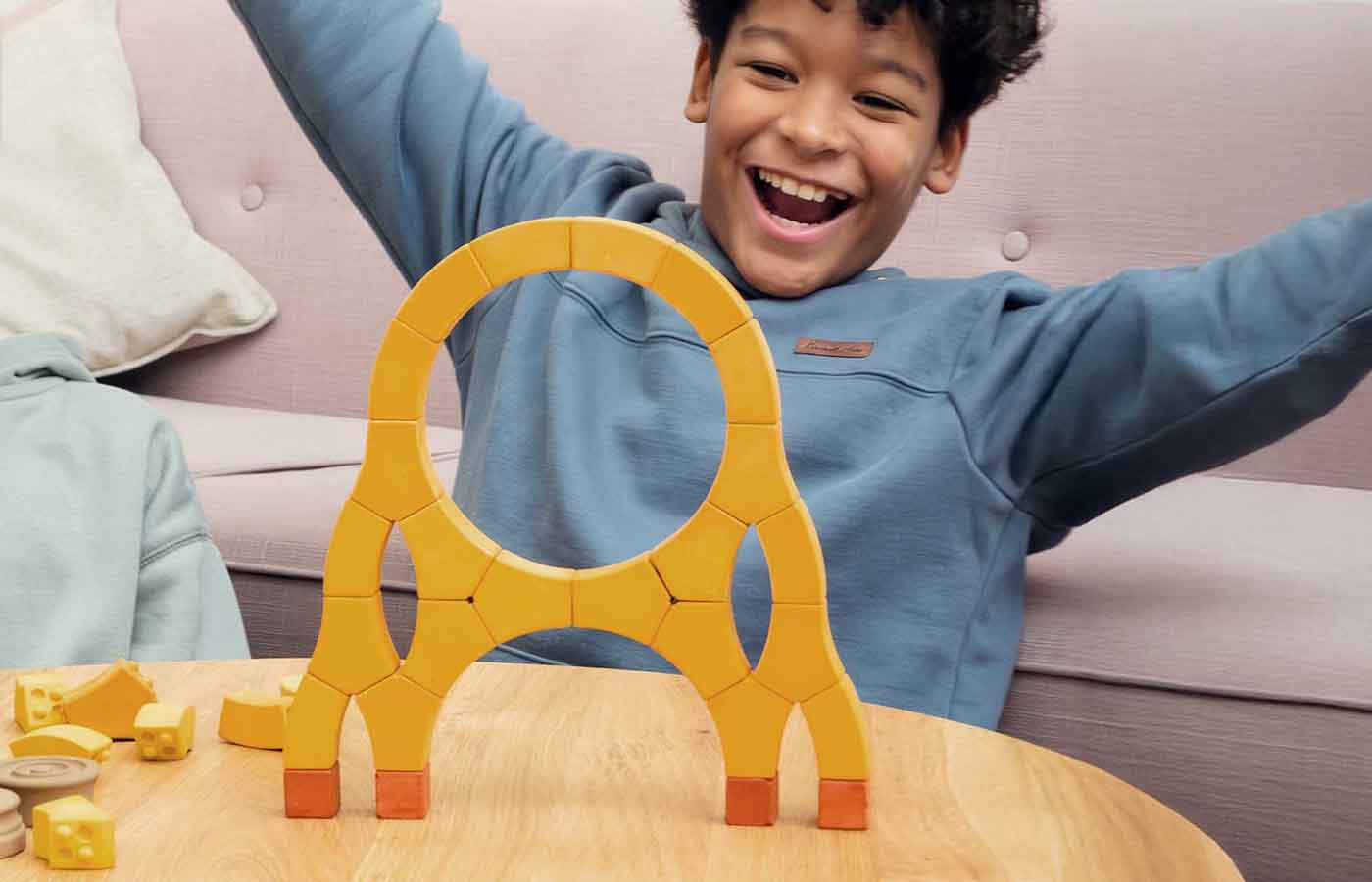
Yes, I had the opportunity to test KORA with children of different ages at the school where I studied, and the experience was magical. Each child interacted with KORA in a completely different way, letting their imagination flow and creating their own stories. It was a proud moment to see all that research make sense in their hands.
However, what impacted me the most was the reaction of the adults. Parents deeply appreciated the product’s versatility and compact design. But the biggest surprise came when explaining KORA’s circular economy concept; discovering that after its phase as a toy, it transforms into a functional piece of furniture integrated into the home made them realize this is a product designed for life.
Is there anything else you would like to tell us about Kora?
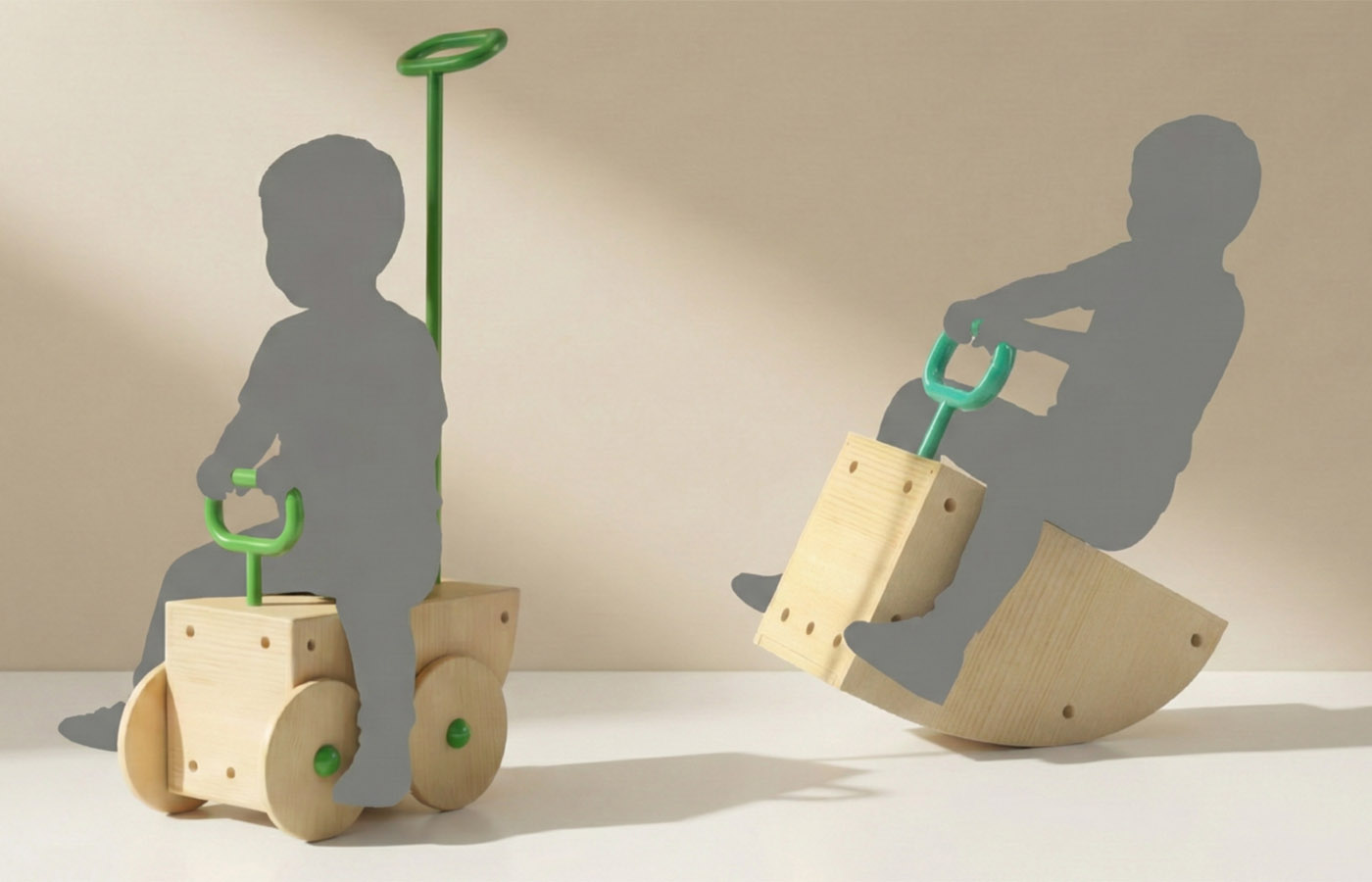
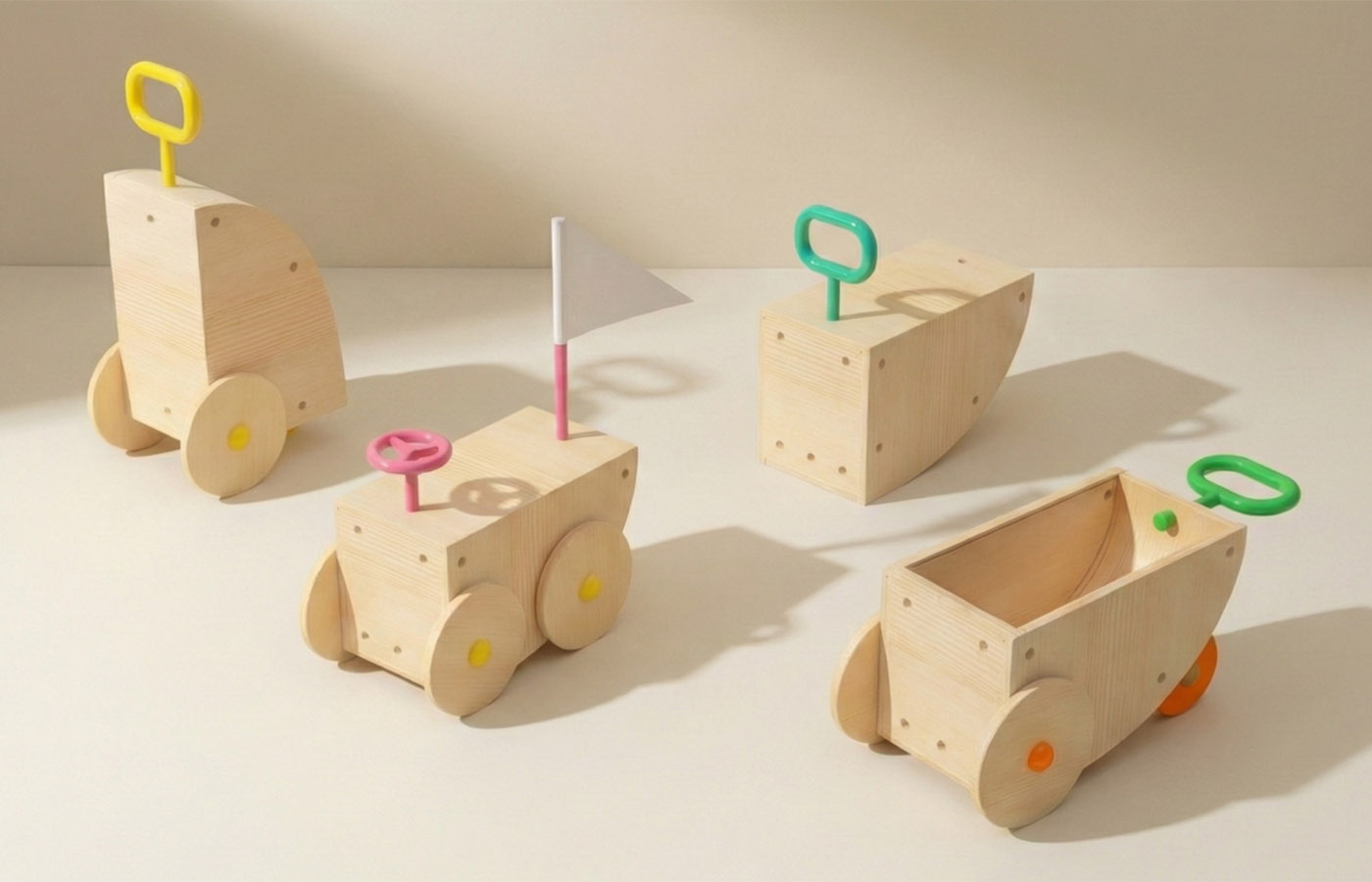
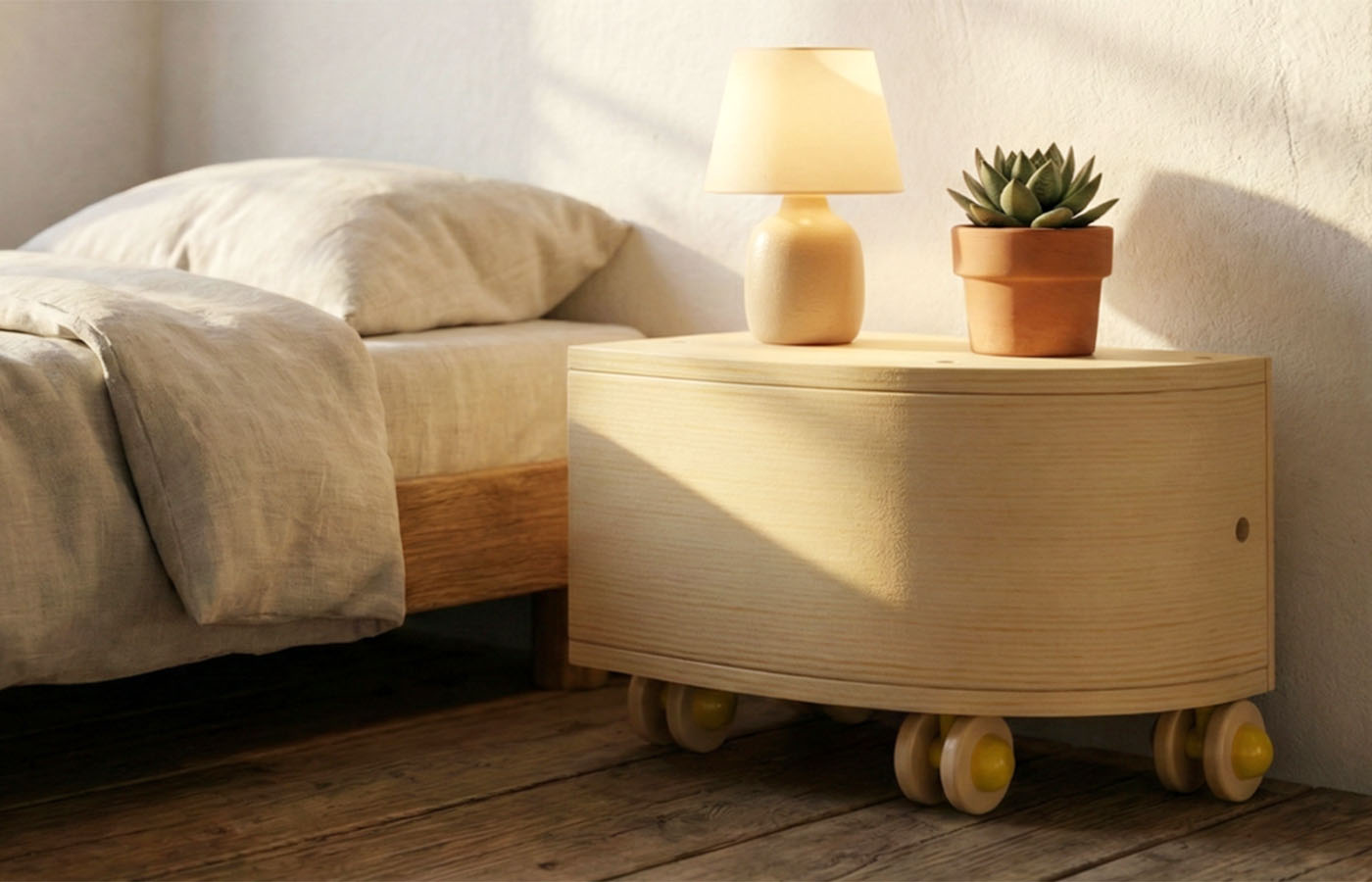
I would like to add that KORA is a durable, repairable, and modular design. It offers multiple combinations through a construction system based on accessories, allowing for various modes of play that stimulate imagination and skill development. The centerpiece is a wooden block to which different add-ons are attached to explore new functions, adapting as the child grows. As a result, KORA stays with them for a much longer lifespan and offers the added value of a second life in the home as a piece of furniture (such as a nightstand, a TV unit, etc.).
Tell us briefly about your background. Why do you design for children?
Whenever I design, my goal is to generate a positive impact and a memorable experience. The child audience fascinates me; with children, you can flow creatively, play, and innovate without the constraints of the adult world – there is a whole universe to explore. Furthermore, my several years of experience as a swimming coach have allowed me to observe firsthand how they communicate, what captures their attention, what frustrates them, and how they interact with objects. That knowledge and empathy for the end user are key tools that I pour into every single one of my projects.
Are there other children’s products you have already designed or would like to design?
During my university studies, I co-designed a stuffed animal focused on accompanying children with autism, helping them identify and understand emotions through storytelling. That project was a turning point for me and solidified my interest in the children’s sector.
Currently, the story continues. Along with two colleagues and friends, I am developing a new project along a similar line to KORA. It is another multifunctional proposal, highly visual and stimulating for children. It is currently in the development phase, and I would love to be able to show it to you very soon.
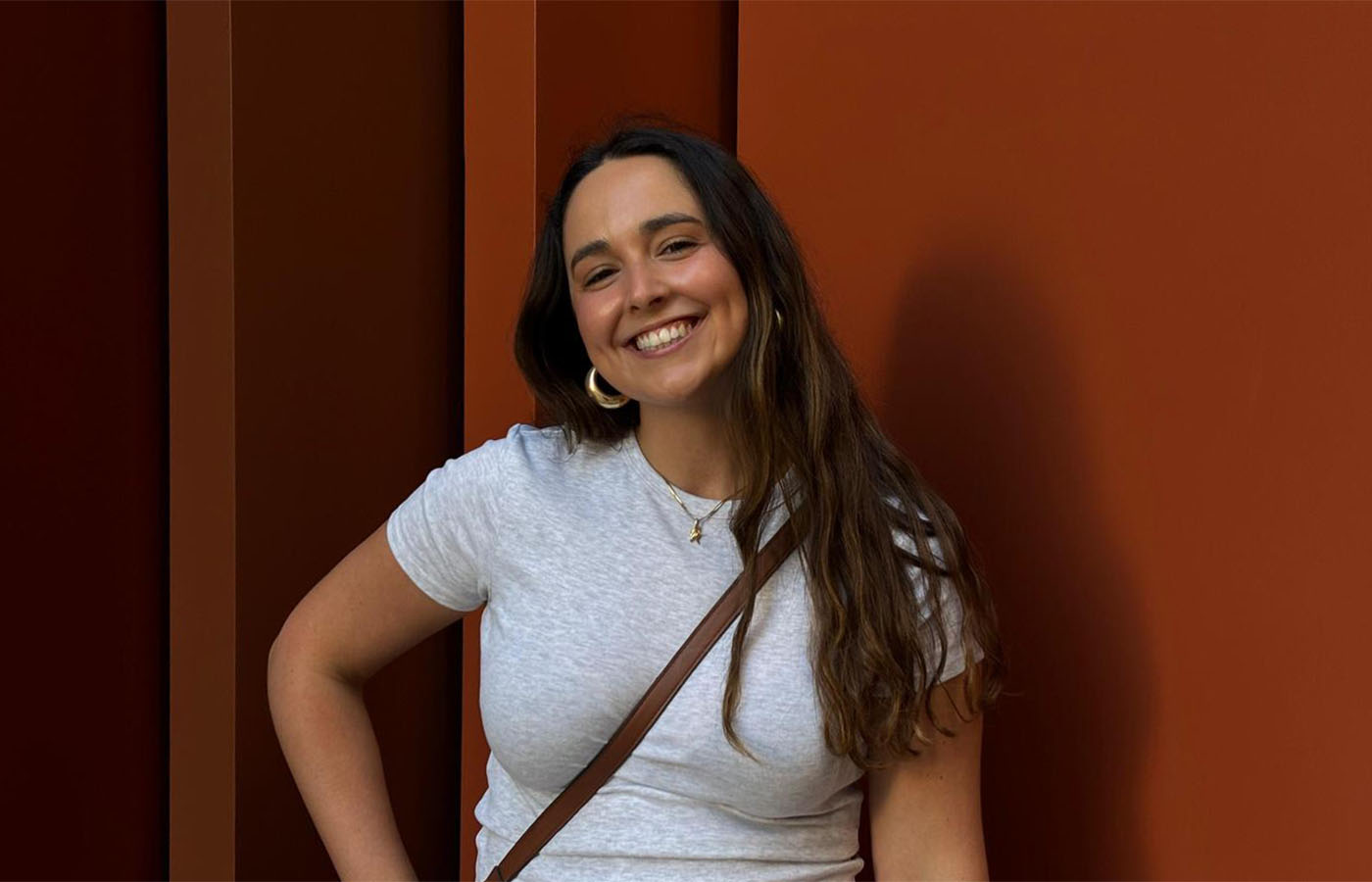
Estela Segura Castellano
Contact:
Estela Segura Castellano frthenpnfgryynabrfgryn@tznvy.pbz
About the author
Katja Runge studied applied cultural studies, trained as a TV journalist and worked for many years as a communications consultant in the design and creative industries. In 2012, she founded afilii – platform and community for meaningful design for kids. With the Prototypes format, she enables young talents to present their ambitious designs to a wider audience. Katja conducts the interviews herself, edits the answers and puts the finishing touches to the text and images.