
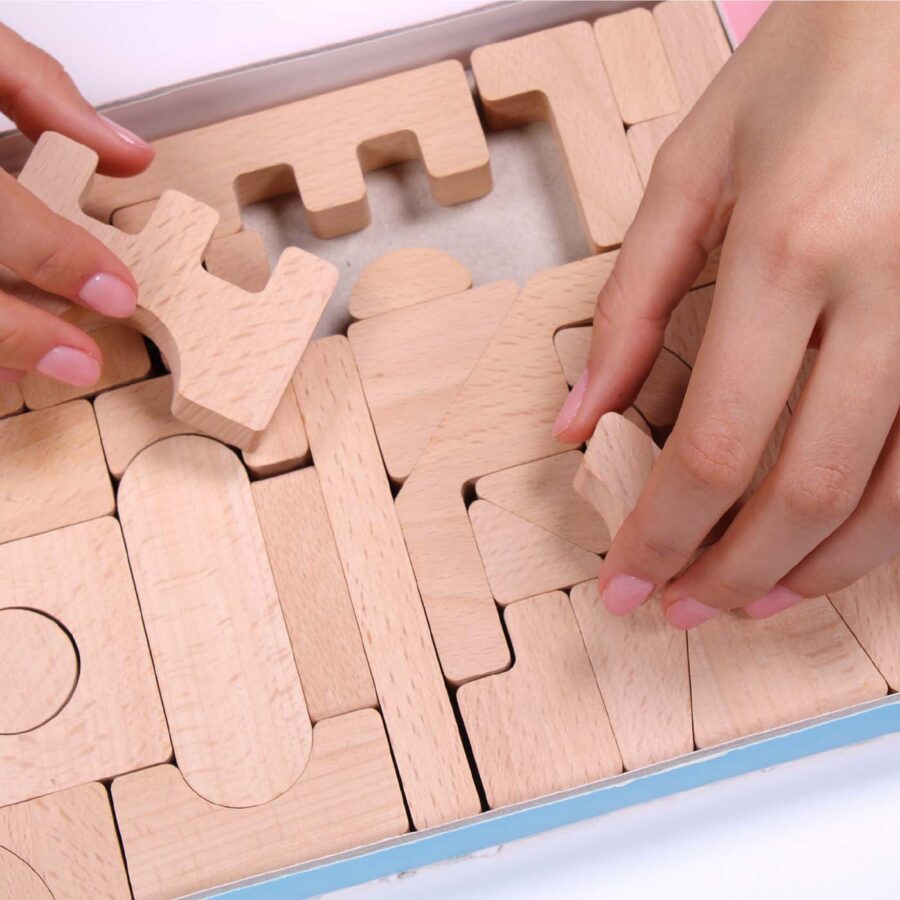
What happens when 37 wooden blocks turn the joy of cloud-gazing into a game? With IMAGY, designer Tim Fokker brings pareidolia – the playful art of discovering figures, faces and stories in everyday shapes – into the hands of children and adults alike. In the interview, Tim talks about imagination as a skill, three years of playtesting, children outwitting their parents – and how IMAGY can grow from Kickstarter prototype into a production-ready wooden blocks game.
Tim, “IMAGY” invites children and adults to create ever-new figures from 37 wooden blocks. What inspired you to come up with this wooden blocks game?
The inspiration behind IMAGY comes from something I loved doing as a child: looking at clouds and seeing shapes, figures, and stories within them. This phenomenon is known as Pareidolia. I wanted to bring that experience into the physical world, which led to the first prototype of IMAGY, at first it was a tool that allowed players to give shape to their imagination in a tangible way.
Initially, the concept was intended as a creative aid for moments when inspiration runs dry. The idea was that whenever you picked up IMAGY, it would help spark your creativity and get your imagination flowing again. As players interact with the wooden blocks game, they are encouraged to see new possibilities, make unexpected connections, and rediscover the playful creative mindset that often comes so naturally in childhood. The process from the first draft to the current prototype took three years.
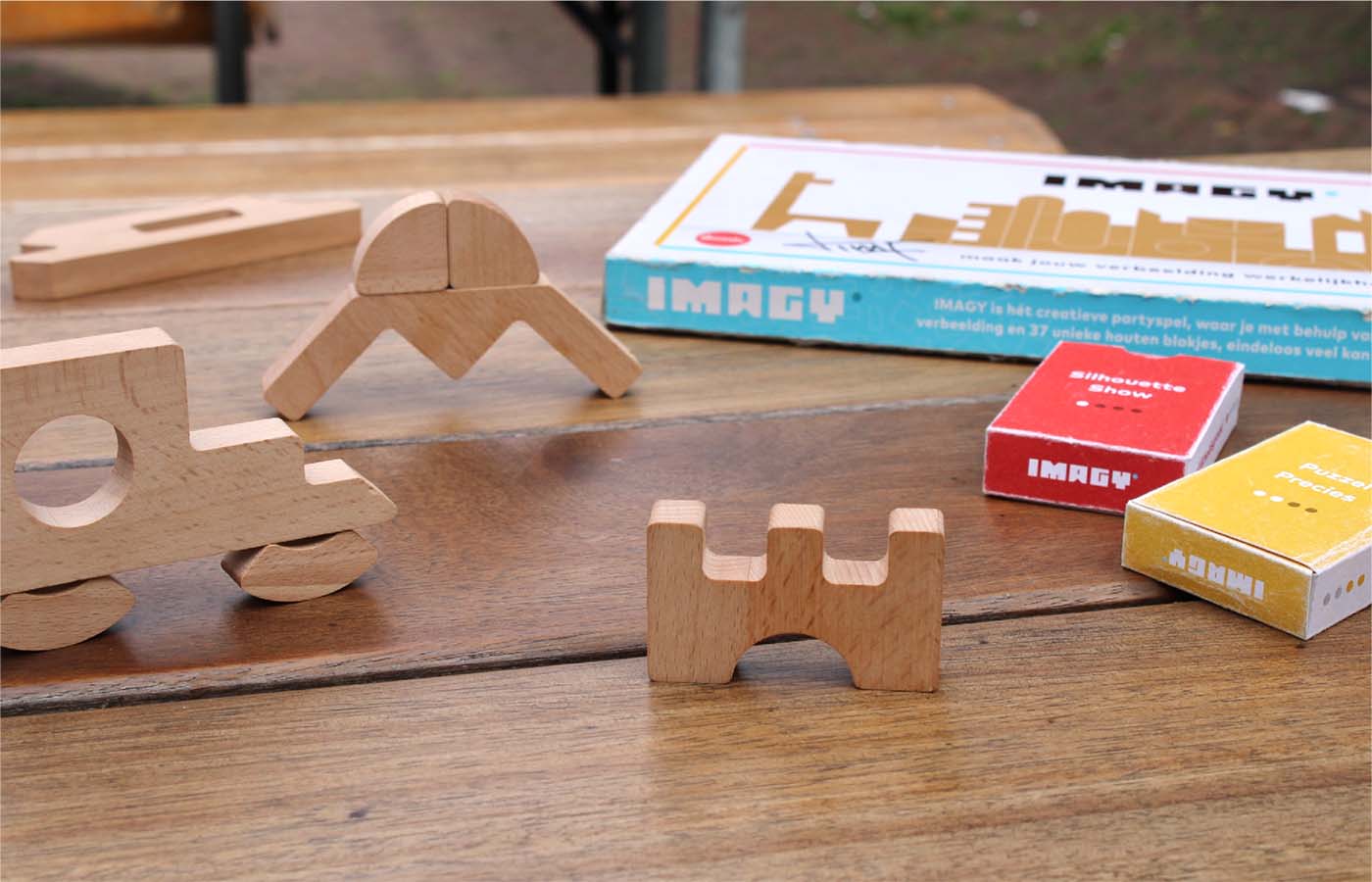
Over these years, I have done multiple playtesting sessions with friends of my family and their children. This was both an enjoyable and incredibly valuable experience, as it was the first time I received honest feedback from others about something I had been working on for so long. The feedback I gathered was extremely insightful and helped me refine and improve the game throughout the design process. Each testing round provided new perspectives and ideas that I could incorporate into IMAGY, ultimately making it a stronger and more engaging experience for players of all ages.
How does “IMAGY” encourage children and adults to trust their own imagination whilst playing and to constantly reshape the worlds they build?
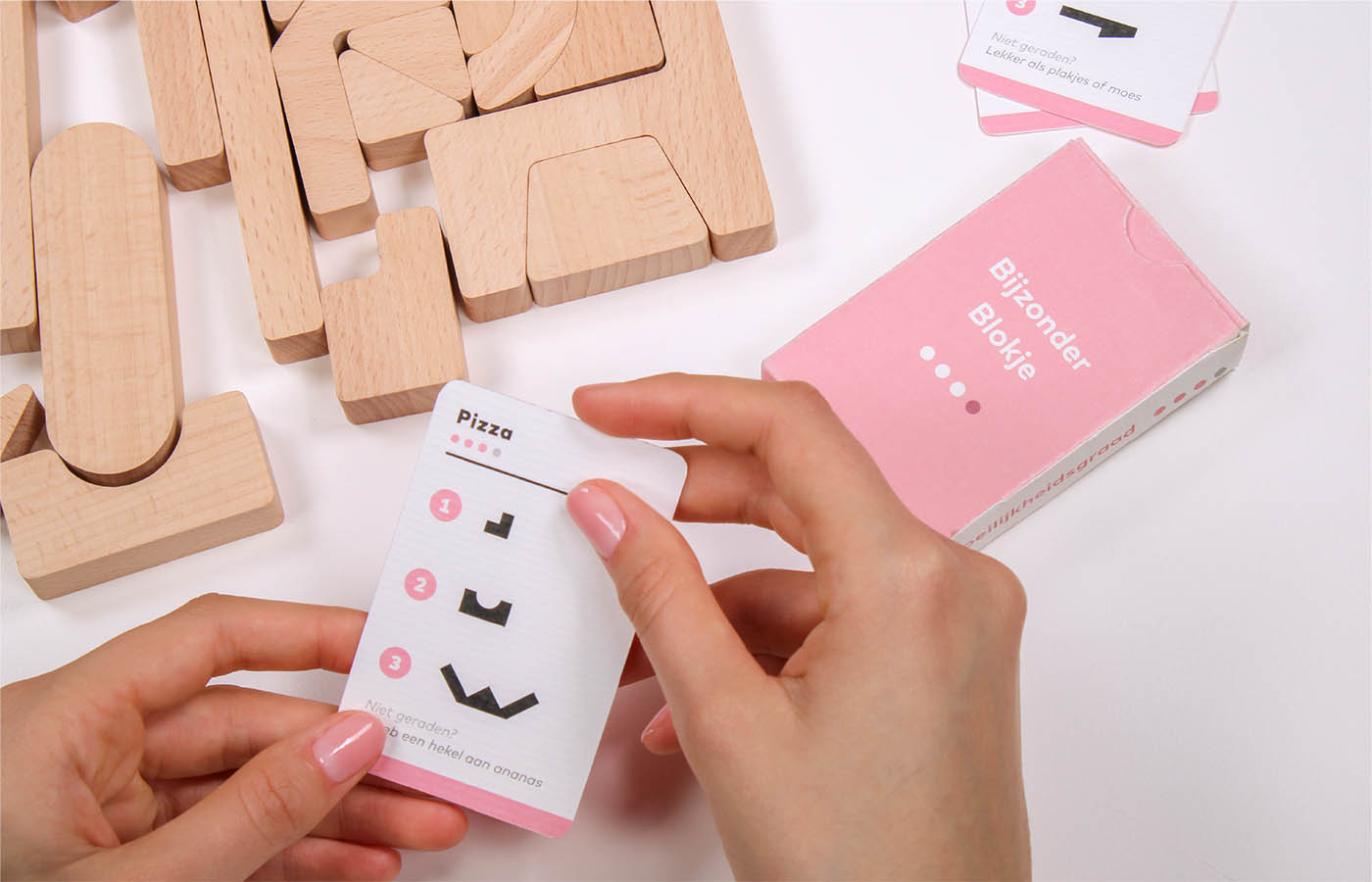
IMAGY is all about imagination, creativity, and a playful way of looking at the world. Qualities we are all born with, but slowly loose out of sight when we become ‘adults’. IMAGY creates a space where you can challenge yourself again and discover how far your creativity can reach, making it engaging and rewarding for both young and old. It’s fascinating to see how children who play IMAGY often seek the extra challenge by jumping straight into (Im)Possible Instruction, Level 4, while adults are more likely to start with the stepping stone of Silhouette Show.
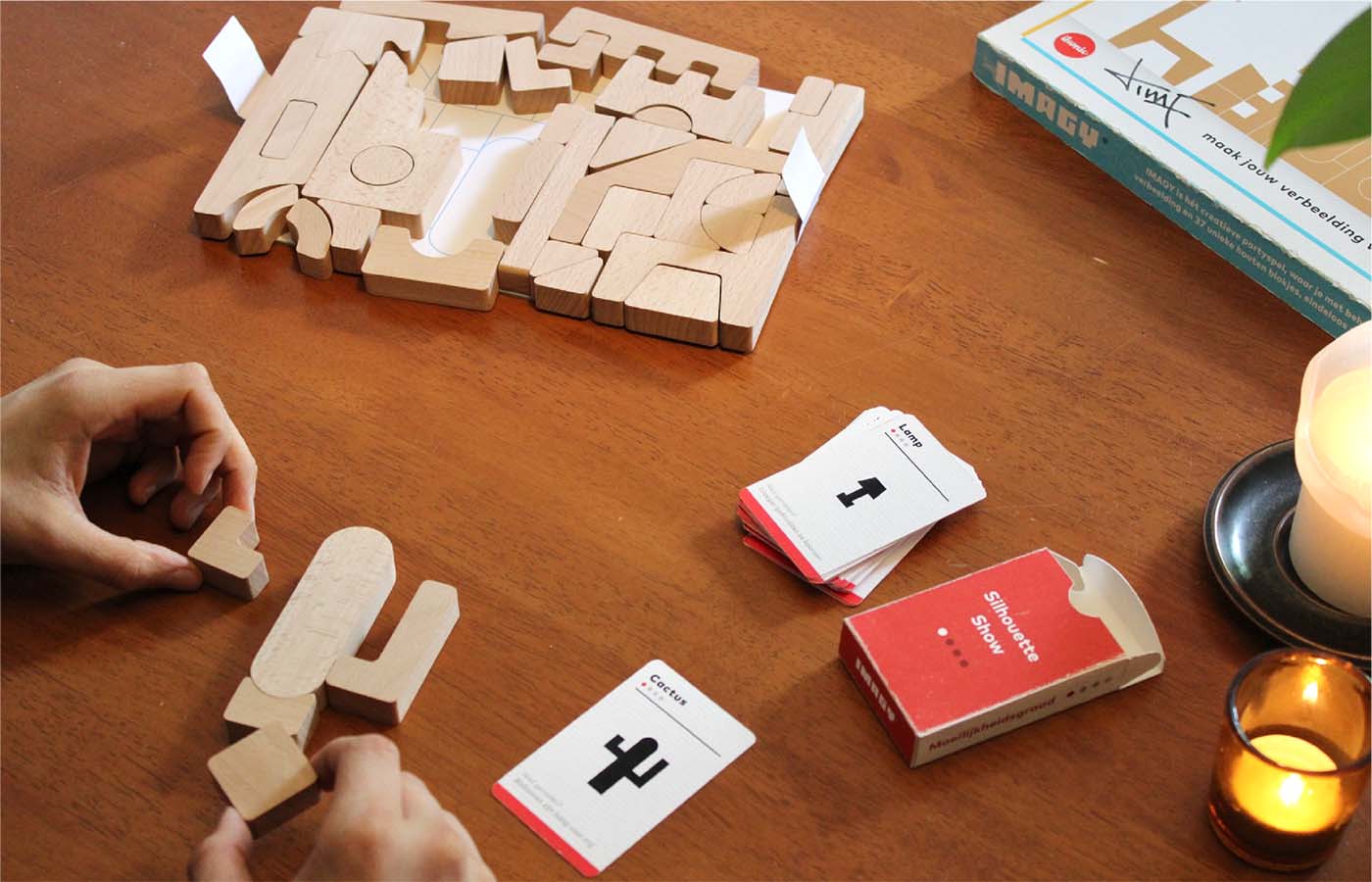
What makes playing IMAGY together so enjoyable is that, regardless of age, players continuously challenge and expand each other’s imagination. By limiting the number of standard blocks (half circle, square, triangle, etc), IMAGY encourages players to think beyond the obvious and build the words from unexpected angles. In this way, everyone is invited to think truly outside the box.
Have you already been able to test IMAGY with children or adults? Which reactions or discoveries surprised you most?
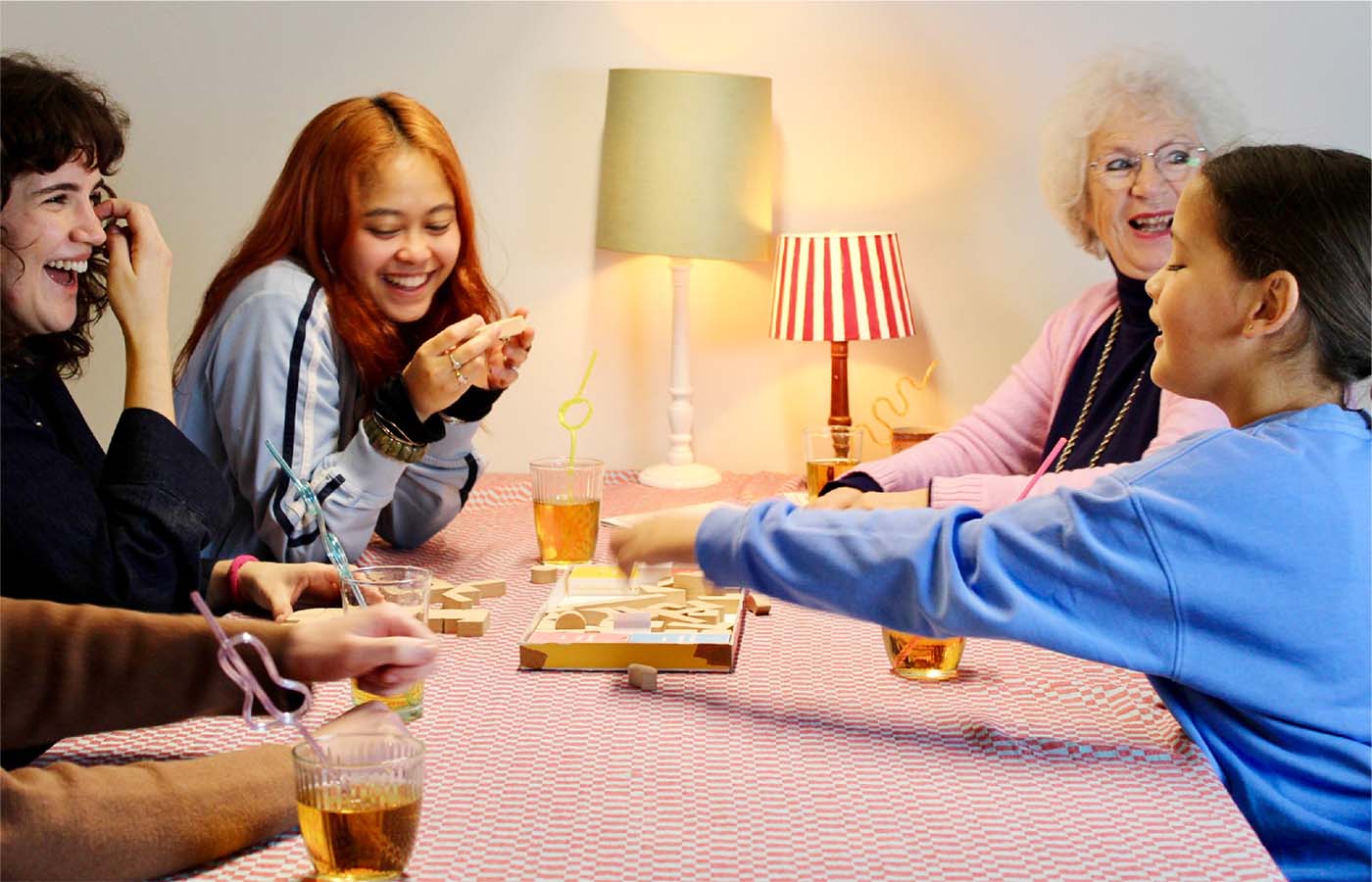
Yes! At first, I mainly tested it with friends and family, but I noticed that the feedback tended to be a bit too cautious because we know each other so well. So I asked my parents’ friends and colleagues if they’d be willing to test IMAGY with their children. That led to a test day where seven groups came to test the game one by one. I had created feedback forms and made sure to stay out of the way to get the most honest experience possible from the testers. The feedback was incredibly valuable and ranged from design elements that people felt didn’t quite fit the game, to specific rules that needed to be explained more clearly in the booklet.
What surprised me the most, actually, was that the wooden blocks game worked just as well as I had pictured it in my head. The children were actually able to challenge their parents and sometimes even outsmarted them. That was such a precious moment to witness. I also received feedback from the testers that parents who described themselves as not creative still found it very fun and educational.
IMAGY is currently on Kickstarter. What are your next steps for taking the prototype into production — and what values are important to you as the prototype becomes a production-ready wooden blocks game?
Together with Ikonic Design, I have been in contact with a factory in China for the past 1.5 years, from which we have received several high-quality samples. We’ve gotten to know each other well by now. Once the Kickstarter campaign is successfully completed and the funding goal is reached, the next step will be to refine IMAGY. All files are currently 99% complete. Once everything has been finalized down to the last detail, we will first request a final prototype from the factory to perform a final quality check. Once everything meets our standards, we can actually go into production. All of this is being done as transparently as possible to keep the people who have invested well informed.
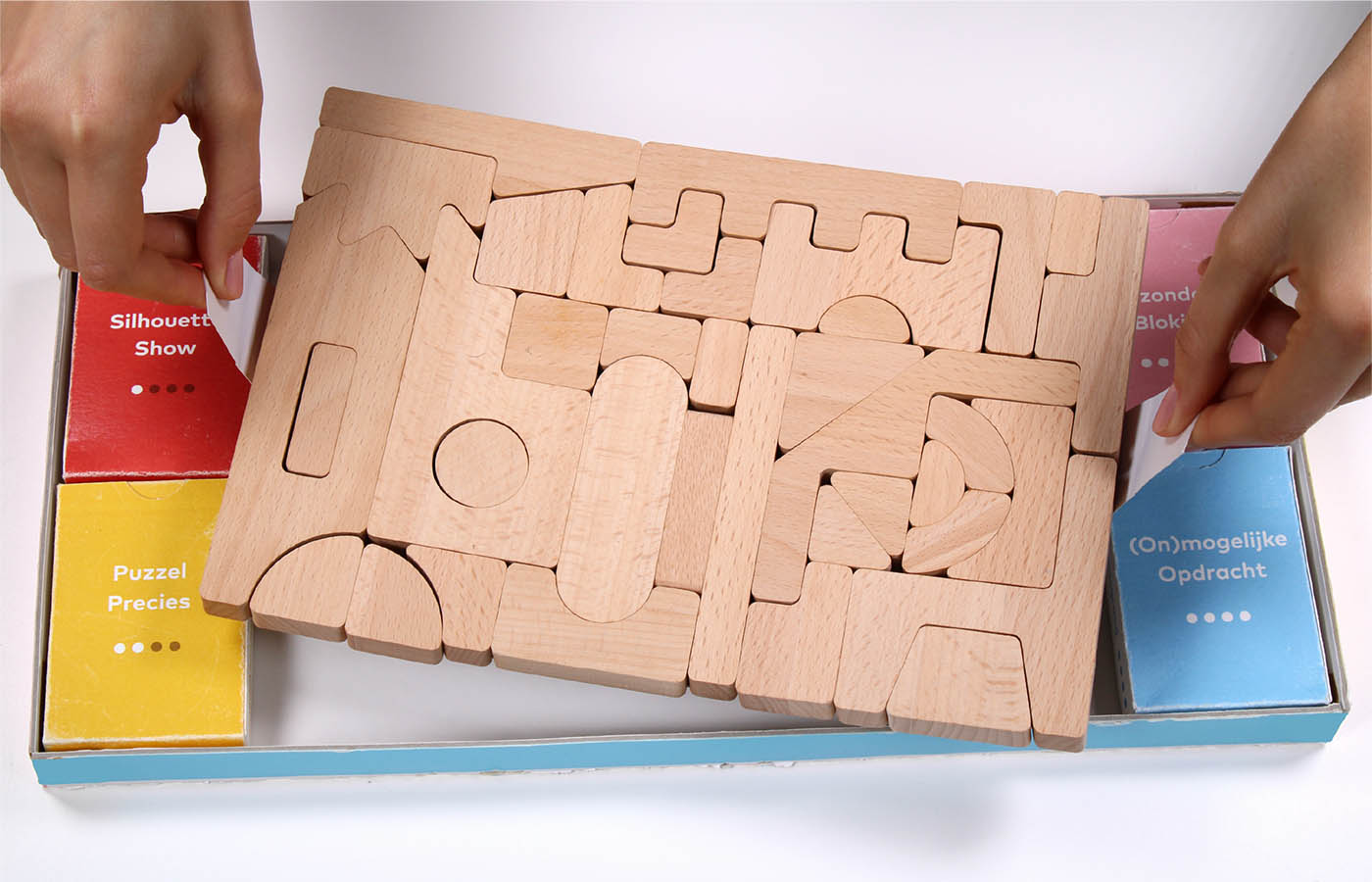
We chose to partner with this factory because they were very open about how they operate. This has fostered a strong relationship. Furthermore, it was of the utmost importance to me that the wooden blocks game be sustainable. That’s why we ultimately settled on FSC-certified beech wood for the blocks — because it’s durable material that lasts for a long time.
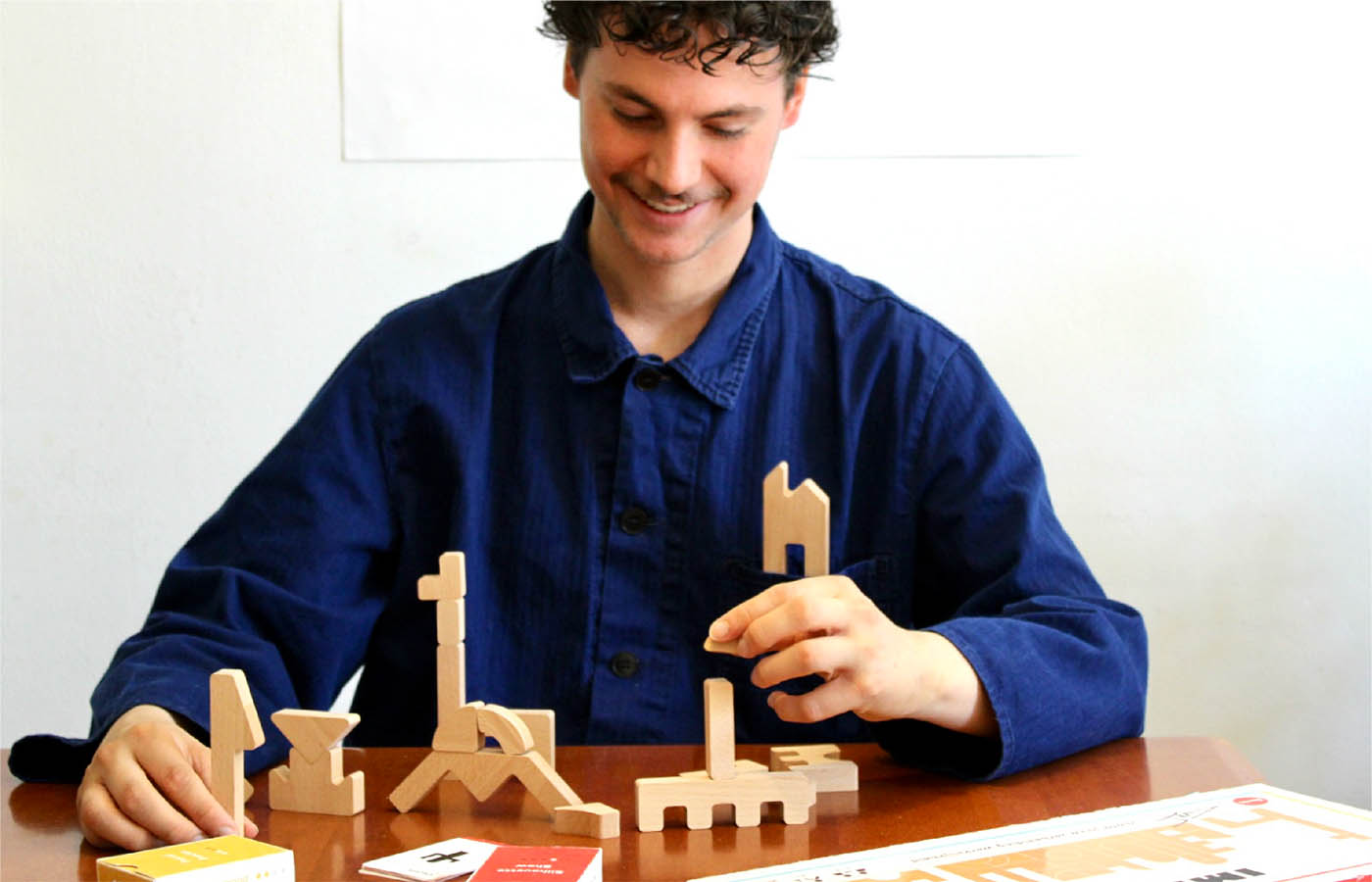
Tim Fokker
Contact:
Tim Fokker Gpnsbxxre@ubgznvy.pbz
About the author
Katja Runge studied applied cultural studies, trained as a TV journalist and worked for many years as a communications consultant in the design and creative industries. In 2012, she founded afilii – platform and community for meaningful design for kids. With the Prototypes format, she enables young talents to present their ambitious designs to a wider audience. Katja conducts the interviews herself, edits the answers and puts the finishing touches to the text and images.